HR analytics transforms training and development from a check-the-box exercise into a strategic engine that measurably improves performance, retention, and ROI. By applying workforce data analysis to learning programs, HR professionals can identify skill gaps before they hurt the business, predict which training interventions will deliver results, and prove the value of every dollar spent on employee development. This shift from gut-feeling planning to evidence-based decision-making is no longer optional. Employers across Canada and beyond now expect HR teams to demonstrate how training drives outcomes, and professionals who can build metrics, interpret patterns, and translate analytics into action are positioning themselves at the center of organizational strategy.
The demand is real and growing. Data-driven skills have become essential qualifications for HR roles, particularly in competitive markets where newcomers and experienced practitioners alike need credentials that bridge experience gaps and signal expertise. A six-week course taught by Kelly McFall, HR Data Insights & Innovation Leader at GE Vernova, now offers 15 Business recertification credit hours through HRCI, equipping participants to analyze workforce data, measure employee performance, and support strategic decisions using modern analytics tools. Whether you’re leading a corporate L&D function, consulting on organizational change, or building your HR career, understanding how to apply analytics to training means you can answer the questions that matter: Which programs close critical skill gaps? Who benefits most from which interventions? What return can leadership expect?
This article walks you through what HR analytics in training and development actually is, who should pursue these capabilities, how to implement analytics in your training workflow, and where to find credible support and certification. You’ll see how organizations use data to optimize learning investments and why this competency has become a defining advantage for HR professionals in 2026.
What HR Analytics in Training and Development Is

HR analytics in training and development is the practice of using workforce data to make smarter, more strategic decisions about employee learning. Instead of relying on guesswork or post-training surveys alone, organizations apply analytics to identify which skills their teams lack, predict what capabilities the business will need next quarter or next year, and measure whether training programs actually improve performance. This shift from intuition to evidence transforms training from a reactive expense into a proactive investment that aligns with business goals.
Modern HR analytics software plays a central role in this process. These platforms gather data from performance reviews, skills assessments, career progression records, and learning management systems, then surface patterns that would be invisible in spreadsheets. For example, analytics can reveal that employees in a particular role consistently underperform on a specific competency, or that turnover spikes six months after onboarding in certain departments. Armed with these insights, training managers can design targeted programs, allocate budgets to high-impact areas, and demonstrate return on investment with concrete metrics rather than anecdotes.
The ability to build and interpret these metrics is now a core competency for HR professionals. Training courses teach practitioners to analyze workforce data, construct meaningful performance indicators, and apply analytics across talent acquisition, employee development, and strategic workforce planning. Employers in Canada, particularly in Quebec, increasingly demand these data-driven skills as organizations recognize that competitive advantage depends on developing the right capabilities at the right time. For HR teams and training managers, mastering analytics means moving from delivering courses to shaping workforce readiness.
Who Should Develop HR Analytics Capabilities
HR analytics capabilities are most valuable for professionals and organizations that make strategic decisions about workforce development, training investment, and talent management. While the skills apply broadly across human resources functions, certain roles derive exceptional value from data-driven training insights.
Key roles that should prioritize HR analytics training include:
- Training and development managers who design and evaluate learning programs
- HR professionals responsible for workforce planning and talent acquisition
- Organizational consultants advising clients on professional development strategies
- Corporate leaders who allocate budgets and set strategic HR priorities
- Learning and development specialists measuring program effectiveness
- HR business partners supporting department-specific training needs
Organizations of all sizes benefit when these professionals can analyze workforce data, build meaningful metrics, and apply analytics across HR functions. Mid-sized and large companies with dedicated training budgets gain the most immediate return, but smaller organizations using these skills strategically can compete for talent more effectively.
Most formal HR analytics training programs require no specific technical prerequisites beyond basic familiarity with HR concepts and comfort with data. Professionals with backgrounds in human resources, organizational development, or business administration typically find the coursework accessible. Some courses, like the six-week Human Resources Analytics program taught by industry leaders at major organizations, welcome participants from diverse HR roles and experience levels.
Canadian employers, particularly in Quebec, increasingly demand data-driven HR skills as organizations compete for talent and seek to maximize training return on investment. For newcomers and immigrants building Canadian work experience, analytics credentials demonstrate quantifiable competencies that bridge gaps in local employment history. The ability to measure employee performance, predict hiring needs, and support strategic decisions using modern analytics tools has become a differentiator for HR professionals across all sectors.
How to Build and Implement HR Analytics in Your Training Programs
Defining the Right HR Metrics for Training
Choosing the right metrics transforms training from a cost center into a measurable driver of business performance. Effective HR analytics for training starts with clarity about what success looks like, whether you’re measuring immediate learning outcomes, long-term skill application, or the impact on organizational readiness.
Training completion and participation rates provide a baseline: how many employees enrolled, attended, and finished programs. While these numbers don’t measure learning depth, they reveal engagement patterns and highlight potential barriers to access.
Knowledge retention and skill application go deeper. Pre- and post-training assessments quantify what learners actually absorbed, while follow-up performance reviews and manager feedback show whether new skills translate into changed behavior on the job. These metrics connect learning to productivity in concrete ways.
Employee readiness measures how prepared your workforce is for current responsibilities and future demands. Analytics can track competency gaps across departments, identify emerging skill needs before they become critical, and predict which teams need upskilling to meet strategic goals. This forward-looking metric supports proactive workforce planning rather than reactive crisis hiring.
Career development velocitypromotion rates, internal mobility, and time-to-proficiency in new roles, reveals whether training actually accelerates talent growth. Strong metrics here demonstrate ROI to leadership and help refine team and people management approaches.
Business impact metrics close the loop: revenue per employee, quality scores, customer satisfaction, and turnover rates in trained versus untrained cohorts. These tie learning directly to outcomes executives care about, making the case for continued investment in analytics-driven development.
Leveraging Analytics Tools and Platforms
Modern HR analytics platforms transform raw workforce data into strategic intelligence that drives training decisions. These tools aggregate information from learning management systems, performance reviews, skills assessments, and employee records to reveal patterns that would remain invisible in spreadsheets. Organizations gain visibility into which training programs correlate with improved performance, where skill gaps threaten business objectives, and how employee readiness aligns with future needs.
The insights generated go beyond simple completion rates. Analytics software can predict which employees are likely to benefit most from specific development opportunities, forecast the ROI of training investments, and identify emerging skill requirements before they become urgent. For example, analyzing performance data alongside training histories helps pinpoint which learning interventions actually move the needle on productivity and which simply check compliance boxes.
Aligning these platforms with organizational goals requires clarity about what matters. If talent acquisition is a priority, configure the system to track time-to-competency for new hires and the effectiveness of onboarding programs. For career development initiatives, focus on metrics that reveal progression pathways and skill mobility across roles. The technology delivers what you ask it to measure, so defining the right questions upfront, based on strategic workforce planning needs, ensures the analytics support actual decisions rather than generating reports that gather dust.
Start by selecting a platform that integrates with existing HR systems and offers customizable dashboards. Train your team to interpret the data, not just collect it, so insights translate into action.
How to Acquire HR Analytics Skills Through Training and Certification
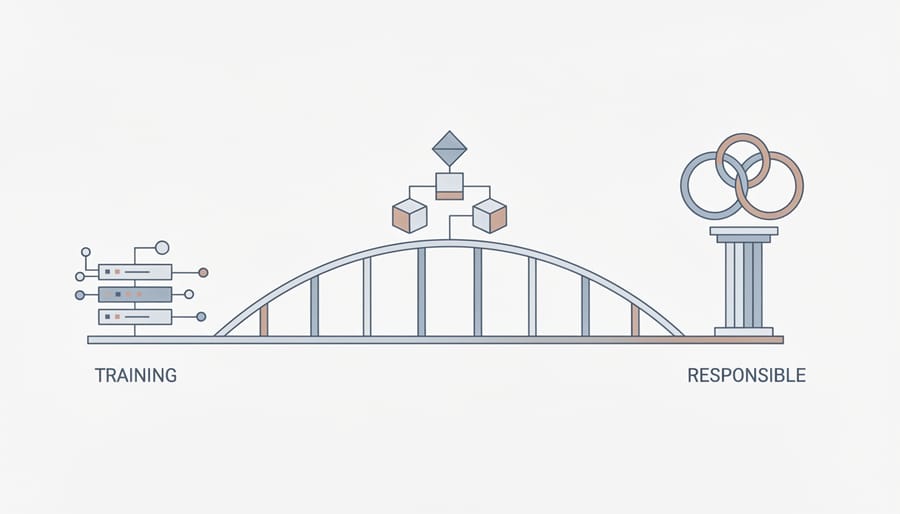
Professionals seeking to master HR analytics have clear pathways through structured training programs that combine technical skills with real-world application. These courses transform theoretical knowledge into practical capability, teaching you to extract actionable insights from workforce data and apply them across talent development, performance management, and strategic planning.
Most comprehensive HR analytics programs follow a cohort-based format delivered over six weeks, allowing participants to balance learning with full-time responsibilities. This duration provides sufficient depth to cover data analysis fundamentals, metric development, visualization techniques, and strategic application without overwhelming working professionals. Programs structured around this timeframe typically include live instruction, case studies from real organizations, and hands-on exercises using analytics platforms.
When you choose the right certification look for courses that offer recognized professional credits. Quality programs provide 15 HRCI business credits allowing certified HR professionals to maintain their credentials while expanding their analytical capabilities. This dual benefit makes these programs particularly valuable for SHRM-CP, SHRM-SCP, PHR, and SPHR holders.
| Program Element | Structure | What You Learn |
|---|---|---|
| Duration | 6 weeks, cohort-based | Complete curriculum with work-life balance |
| Certification Credits | 15 HRCI Business credits | Maintain professional credentials while upskilling |
| Core Skills | Data analysis, metrics development, visualization | Build meaningful HR metrics, analyze workforce trends |
| Application Focus | Talent acquisition, performance, training effectiveness | Support strategic HR decisions with data-driven insights |
The curriculum in reputable programs teaches you to analyze workforce data, identify skill gaps, predict hiring needs, and measure employee performance using modern analytics tools. You’ll learn which metrics matter for different organizational objectives and how to present findings that influence executive decisions. Instructors often come from data-focused roles at major organizations, bringing firsthand experience in applying analytics to real HR challenges.
For newcomers and immigrants to Canada, particularly in Quebec, these credentials serve a strategic purpose beyond skill development. Employers across Canadian provinces increasingly demand data-driven capabilities in HR roles, and recognized certifications bridge gaps in local work experience. The analytical competencies you demonstrate through certification translate across industries and organizational contexts, making your profile more competitive in markets like Quebec City where HR analytics adoption continues to accelerate.
What Organizations and Professionals Gain from HR Analytics
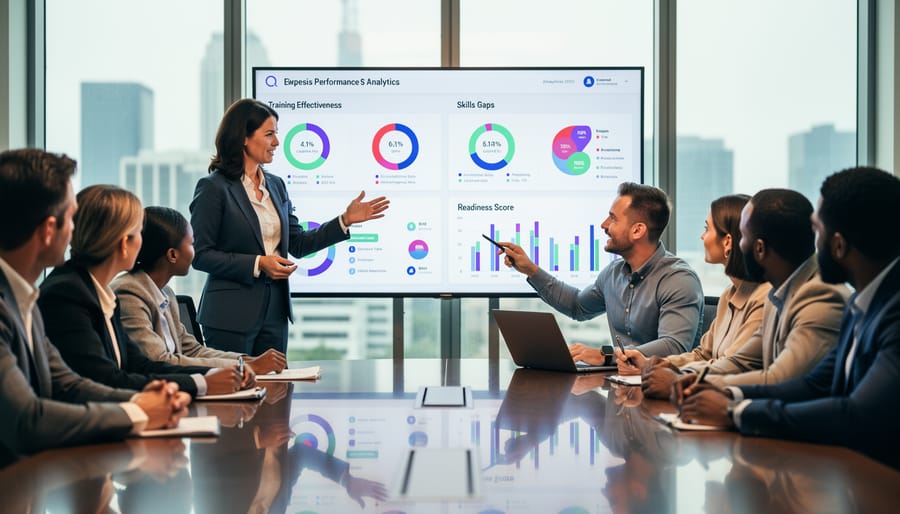
HR analytics competency equips organizations and professionals with capabilities that reach far beyond simply collecting numbers. For organizations, it transforms training from a cost center into a measurable strategic asset, enabling leaders to tie learning investments directly to business outcomes such as productivity gains, retention improvements, and leadership development ROI. Analytics reveals which programs deliver results and which fall short, allowing L&D teams to reallocate resources toward initiatives that genuinely move the needle. It also supports proactive workforce planning by surfacing skill gaps before they become critical and predicting future talent needs, which helps companies stay ahead in fast-changing markets.
For HR professionals and training managers, analytics skills open new career pathways and strengthen credibility with executive stakeholders. The ability to analyze workforce data, build meaningful HR metrics, and apply analytics across talent acquisition, performance management, and succession planning positions practitioners as strategic partners rather than administrative support. Employers in Quebec and across Canada increasingly demand these data-driven skills, and credentials can bridge experience gaps for newcomers and immigrants entering the Canadian workforce.
Organizations gain agility, too. When training decisions are guided by real-time data rather than assumptions, companies adapt faster to evolving business environments, whether that means upskilling teams for new technology, preparing high-potential employees for leadership roles, or targeting interventions to reduce turnover in critical functions. Analytics doesn’t replace human judgment; it sharpens it, giving leaders the evidence they need to invest confidently and act decisively.
Where to Get Help and Resources
Building HR analytics capabilities requires the right training, expert guidance, and ongoing support. Fortunately, professionals and organizations have access to multiple channels to acquire these skills and implement data-driven programs effectively.
Start with recognized certification providers that offer structured courses designed specifically for HR analytics. Programs like the six-week Human Resources Analytics course, taught by industry leaders such as Kelly McFall (HR Data Insights & Innovation Leader at GE Vernova), provide comprehensive training in analyzing workforce data, building metrics, and applying analytics across HR functions. These courses often carry professional credentials, such as the 15 HRCI Business recertification credit hours, that strengthen your profile and meet the growing demand from Canadian employers, particularly in Quebec, for data-driven HR competencies.
Beyond formal courses, leverage multiple support channels to accelerate your analytics journey:
- Professional HR associations and communities that share best practices and case studies
- Industry conferences and webinars focused on people analytics and workforce planning
- Online learning platforms offering specialized modules in HR metrics and data visualization
- Consulting firms providing customized training and implementation support
- Vendor-specific training for HR analytics software platforms you plan to adopt
For organizations looking to build analytics capabilities across teams, partnering with consulting firms like CSTD delivers tailored solutions. These firms offer customized training programs aligned to your specific business needs, human capital consultations to design your analytics framework, and ongoing support as you scale data-driven decision-making. This approach proves especially valuable for companies new to analytics or those integrating tools into existing training and development functions, ensuring your investment translates into measurable improvements in workforce readiness and strategic planning.
How to Apply or Complete the Process
Enrolling in an HR analytics certification program typically follows a straightforward process. Start by researching accredited providers that offer courses aligned with your career goals and organizational needs. Look for programs that deliver practical skills in analyzing workforce data, building metrics, and applying analytics to training and development functions.
Once you’ve selected a course, complete the provider’s online registration form. Most programs require basic professional information and payment details. Some may ask about your current role or HR background, though formal prerequisites are often flexible to accommodate professionals transitioning into analytics roles.
After registration, you’ll receive access to course materials and a schedule. For example, structured programs like the Human Resources Analytics course run for six weeks and include modules on metrics development, data analysis, and strategic application. Plan to dedicate time each week for lessons, assignments, and practice exercises.
Throughout the program, engage actively with instructors and peers to deepen your understanding. Courses taught by industry leaders, such as Kelly McFall at GE Vernova, often include real-world case studies that sharpen your ability to translate data into actionable insights.
Upon completion, you’ll earn certification credentials. Many programs, including those pre-approved for 15 HRCI Business recertification credit hours, provide documentation you can add to your professional profile, strengthening your candidacy in Quebec, across Canada, and beyond.
Frequently Asked Questions
How does HR analytics support learning and development functions?
HR analytics helps L&D teams identify skill gaps, predict future training needs, and measure the effectiveness of development programs through workforce data analysis. This data-driven approach enables more targeted training investments and demonstrates clear ROI on employee development initiatives.
What do HR analytics certification courses actually teach?
Certification programs teach professionals to analyze workforce data, build meaningful HR metrics, predict hiring needs, and measure employee performance using modern analytics tools. The 6-week Human Resources Analytics course, for example, develops skills applicable across key HR functions and offers 15 HRCI Business recertification credit hours.
Why is learning analytics essential for career development and readiness measurement?
Learning analytics provides objective insights into employee skill levels, training completion rates, and knowledge retention, allowing organizations to assess workforce readiness for new roles or strategic initiatives. These metrics enable HR teams to create personalized development paths and identify high-potential employees based on performance data rather than subjective assessments alone.
How do analytics certifications help job seekers in Quebec and across Canada?
Employers in Quebec and throughout Canada increasingly demand data-driven HR skills, making analytics credentials a competitive advantage in the job market. For newcomers and immigrants to Quebec City, these certifications can bridge gaps in Canadian work experience by demonstrating current, in-demand technical capabilities.
Beyond these common questions, many HR professionals wonder which specific metrics analytics can measure. The answer spans a wide range: training completion and effectiveness rates, time-to-competency for new hires, employee engagement scores, turnover risk indicators, skills inventory across the organization, and correlations between development investments and performance outcomes. Modern analytics platforms track these data points automatically, transforming raw information into strategic insights that inform workforce planning, talent acquisition strategies, and targeted training interventions. The key is selecting metrics that align with your organization’s specific goals rather than measuring everything simply because the data exists.
HR analytics has emerged as an essential capability for organizations committed to building effective, evidence-based training and development programs in 2026. The ability to analyze workforce data, measure employee performance, predict skill requirements, and support strategic decisions transforms training from reactive to proactive, a shift that drives measurable outcomes in talent acquisition, readiness, and long-term workforce planning.
For HR professionals and organizational leaders, investing in these skills delivers immediate and sustained value. Formal certification programs, such as the six-week Human Resources Analytics course offering 15 Business recertification credit hours through HRCI, provide structured pathways for acquiring analytics competencies regardless of prior background. These credentials are particularly valuable for newcomers to Canada and professionals in Quebec seeking to meet employer demand for data-driven HR expertise.
Organizations ready to accelerate their analytics adoption should consider partnering with consulting firms that offer customized training and human capital advisory services. Expert guidance helps align metrics with strategic goals, integrate analytics tools effectively, and build the internal capability teams need to sustain data-informed practices. The opportunity to reshape your training function with analytics is here, taking action now positions your organization to lead rather than follow.