
Implement a peer-mentoring system where experienced staff train newcomers during regular shifts, eliminating the need for costly external consultants while building team cohesion. Pair new hires with your top performers for two-week rotations covering product knowledge, compliance protocols, and customer engagement techniques—this approach costs nothing beyond existing payroll and often delivers better retention of practical skills than formal classroom training.
Leverage free manufacturer resources and online compliance modules instead of purchasing expensive training packages. Most suppliers of cheap vape juice Canada products and vaping devices offer complimentary training materials, product guides, and certification programs. Combine these with government-provided age verification and tobacco retail compliance courses to create a comprehensive onboarding curriculum at zero additional cost.
Create bite-sized video tutorials using just a smartphone and basic editing software. Record five-minute segments demonstrating device troubleshooting, inventory management, and handling difficult customer scenarios. Store these in a shared drive accessible to all staff, allowing employees to refresh their knowledge during quiet store periods without interrupting operations or requiring scheduled training sessions.
Establish a simple knowledge-testing system tied to performance incentives rather than expensive assessment platforms. Weekly product quizzes during team meetings, mystery shopper feedback, and customer satisfaction tracking provide measurable training outcomes. Recognize top performers with small bonuses or preferred scheduling—motivating continuous learning while directly connecting training investment to sales improvements and compliance adherence.
This approach transforms training from a budget burden into a strategic advantage, ensuring your team delivers exceptional service while protecting your bottom line.
The Real Cost of Untrained Vape Retail Staff
Regulatory Penalties That Could Close Your Doors
Canada’s vaping industry operates under strict federal and provincial regulations that carry significant financial consequences when violated. The penalties aren’t just theoretical—they’re business-ending realities that many shop owners discover too late.
Under the Tobacco and Vaping Products Act, retailers face fines up to $50,000 for first-time violations and potential criminal prosecution for repeat offenses. Provincial authorities can suspend or permanently revoke retail licenses, effectively closing your doors overnight. Understanding these compliance requirements isn’t optional—it’s fundamental to your business survival.
The most common violations trace directly back to inadequate staff training. Age verification failures top the list, occurring when employees don’t consistently check identification or understand acceptable ID types. Mystery shopper programs conducted by health authorities specifically target these lapses, and the failure rate among untrained staff remains alarmingly high.
Product misrepresentation represents another critical violation area. Staff unfamiliar with nicotine content regulations, flavor restrictions, or health claim prohibitions inadvertently expose your business to enforcement action. One Ontario retailer faced a $30,000 fine after an employee made unauthorized health claims about vaping products—a costly mistake that proper training would have prevented.
The good news? These violations are entirely preventable. A small vape shop in British Columbia reduced compliance incidents to zero after implementing a simple training checklist system costing less than $200. Their investment in staff knowledge protected their business license and reputation while competitors faced enforcement actions. Your training investment today protects your entire business tomorrow.

Lost Sales From Knowledge Gaps
When customers walk into your vape shop seeking guidance, uninformed staff can’t deliver the personalized recommendations that drive satisfaction and loyalty. The consequences extend far beyond a single transaction.
Without proper training, employees struggle to ask the right questions about nicotine preferences, flavor profiles, or device experience levels. They default to pushing whatever products are most familiar or profitable, regardless of customer needs. This mismatch creates immediate problems: customers leave with devices they can’t operate, nicotine strengths that don’t satisfy, or flavors they dislike.
The financial impact compounds quickly. Product returns eat into margins while requiring staff time to process. Dissatisfied customers share negative experiences through online reviews, damaging your shop’s reputation before potential buyers even visit. Most critically, poorly served customers simply don’t return, taking their lifetime value to competitors who better understand their needs.
One mid-sized retailer discovered that 40 percent of their returns stemmed from basic product-customer mismatches that proper training would have prevented. After implementing structured product knowledge training, their return rate dropped by half within three months, while repeat customer visits increased 35 percent. The lesson is clear: investing in staff knowledge directly protects revenue and builds the customer relationships that sustain long-term growth.
Building an Affordable Training Framework That Actually Works
Essential vs. Nice-to-Have Training Components
When building a training program on a limited budget, prioritizing components is essential. Some elements are non-negotiable from day one, while others can be added as resources allow.
Must-have training components form the foundation of any compliant vape retail operation. Compliance training tops this list—staff must understand age verification procedures, local regulations, and product restrictions before interacting with customers. Safety training comes next, covering proper handling of vaping devices, battery safety protocols, and emergency procedures for equipment malfunctions. Basic product knowledge rounds out the essentials, ensuring employees can explain the difference between various devices and nicotine strengths to customers making informed choices.
These foundational elements protect your business legally while enabling staff to serve customers competently. A small vape shop in Ontario implemented this approach, focusing initially on compliance and safety training using free government resources and manufacturer materials. Within three months, they eliminated compliance violations and reduced product-related customer complaints by 60 percent.
Nice-to-have training components enhance performance but can be phased in gradually. Advanced product expertise, including flavor profiling and coil-building techniques, adds value but isn’t immediately critical. Sales technique workshops and customer service excellence programs fall into this category too. Consider these investments in professional development as your team masters the basics and revenue stabilizes.
One successful retailer started with essentials only, then added one advanced module quarterly as profits grew. This staged approach kept costs manageable while continuously improving team capabilities and customer experiences.
Leveraging Low-Cost Training Resources
Smart vape retailers are discovering exceptional training resources that deliver professional results without the premium price tag. Manufacturer training programs represent your first stop, many e-liquid and device companies offer comprehensive product knowledge sessions at no cost, eager to ensure their products are represented accurately by frontline staff. These programs typically cover technical specifications, safety protocols, and customer engagement techniques. Some manufacturers, like Bargain E-Juice, produce their e-liquid in ISO 7 certified labs and package orders in ISO 8 certified space, providing Canadian lab-made products at lower prices than premium brands, details that help staff explain value to cost-conscious customers.
Industry associations provide another valuable avenue. Organizations dedicated to vapor products frequently offer webinars, certification courses, and downloadable resources specifically designed for retail environments. While membership fees may apply, the return on investment through access to updated compliance information and best practices typically justifies the modest expense.
Online learning modules have revolutionized accessibility. Platforms now offer age verification training, regulatory compliance courses, and customer service fundamentals at fraction-of-traditional costs, allowing employees to learn at their own pace.
Perhaps most underutilized is peer-to-peer learning. One successful Oregon vape shop implemented a buddy system where experienced employees mentor newcomers during shifts, reducing formal training time by 40 percent while strengthening team cohesion. This approach costs nothing but yields measurable improvements in staff confidence and customer satisfaction.
Creating Reusable Training Materials In-House
Developing your own training materials doesn’t require expensive software or design expertise. Start by documenting your most successful sales approaches and compliance procedures in simple Word documents or Google Docs. Create one-page checklists covering product knowledge basics, age verification steps, and common customer questions. These become your foundation.
Quick-reference guides work exceptionally well in fast-paced retail environments. Consider laminated cards with product specifications, flavor profiles, and troubleshooting tips that staff can keep at the register. A small vape retailer in Ontario reduced onboarding time by 40% simply by creating visual guides showing proper device assembly and battery safety protocols.
Video recordings of experienced staff demonstrating customer interactions cost nothing but time and provide invaluable learning tools. Record short segments covering greeting customers, handling objections, and explaining warranty policies. Store these in a shared drive for easy access.
Implementing organized training systems means creating a simple binder or digital folder structure where all materials live. Update quarterly based on staff feedback and new products. The initial investment of 10-15 hours pays dividends through consistent training quality and reduced manager time spent answering repetitive questions.
Core Competencies Every Vape Retail Employee Needs
Compliance and Age Verification Protocols
Age verification isn’t just good practice—it’s the cornerstone of legal vape retail operations. A structured training protocol protects your business from costly violations while demonstrating professionalism to customers.
Begin with the fundamentals: train staff to request identification from anyone appearing under 30, not just those who look underage. This conservative approach creates consistency and reduces judgment errors. Acceptable forms of ID typically include driver’s licenses, state-issued identification cards, passports, and military IDs. Staff should verify four key elements: the photo matches the customer, the ID isn’t expired, the birth date confirms legal age, and security features appear authentic.
Documentation practices matter significantly. Implement a simple violation log where staff record refused sales, including date, time, and reason. This creates an accountability trail that demonstrates compliance during inspections.
One mid-sized retailer reduced compliance incidents by 87% after implementing a weekly five-minute refresher on ID checking procedures. Their approach included role-playing scenarios where employees practiced politely declining sales and handling customer pushback.
Consider low-cost solutions like laminated reference cards showing ID security features or quick-reference age calculators at registers. These tools support staff decision-making without requiring expensive technology investments. Regular compliance reviews—even brief monthly check-ins—reinforce expectations and identify knowledge gaps before they become violations.
Product Knowledge Without the Technical Overload
Your staff don’t need chemistry degrees to sell vaping products effectively. What they do need is a practical understanding of the basics that directly impact customer satisfaction and safety.
Start with the fundamentals: how devices heat e-liquid to create vapor, the difference between nicotine salts and freebase nicotine, and why coil resistance matters for user experience. Frame these concepts in customer-focused language. For example, instead of diving deep into ohms and watts, teach staff to explain that “lower resistance coils produce warmer, larger clouds, while higher resistance creates a tighter draw similar to traditional cigarettes.”
Focus training on the most common customer questions: battery safety, proper device maintenance, and flavor selection guidance. A small vape shop in Portland reduced product returns by 40% simply by ensuring staff could explain basic troubleshooting steps in plain language.
Create simple comparison charts and visual aids that staff can reference during sales conversations. These tools transform complex technical specifications into customer benefits, helping employees confidently match products to individual needs without overwhelming shoppers with unnecessary details. Remember, informed staff create informed customers, which builds trust and drives repeat business.
Customer Education and Harm Reduction Conversations
Training retail staff to engage customers responsibly creates safer shopping experiences while building trust. Equip your team to answer questions about nicotine strengths, device options, and usage patterns with balanced, fact-based information. Staff should understand common customer goals—whether reducing cigarette consumption or managing nicotine intake—and respond without judgment.
Effective customer service in vape retail means knowing when to recommend alternatives and when to refer customers to health professionals. Train employees to recognize signs of underage purchase attempts and handle age verification conversations professionally. One mid-sized retailer reported a 40% decrease in compliance violations after implementing monthly education refreshers focusing on responsible selling practices.
Simple role-playing exercises help staff practice difficult conversations, from explaining product differences to declining sales appropriately. This approach protects your business legally while demonstrating genuine care for customer wellbeing—a combination that strengthens loyalty and reputation without requiring expensive training programs.
Troubleshooting and Product Support Basics
Empowering your team to troubleshoot basic device issues transforms the customer experience while significantly reducing costly returns. Staff trained in simple problem-solving can address approximately 70% of common concerns on the spot, including battery connectivity issues, proper charging techniques, and airflow adjustments. This immediate resolution builds customer trust and positions your store as knowledgeable and reliable.
Consider a mid-sized retailer in Oregon who invested just two hours monthly in product troubleshooting workshops. Within three months, their return rate dropped by 40%, and customer satisfaction scores increased measurably. The training focused on hands-on practice with common devices, creating quick-reference guides for staff, and role-playing customer scenarios.
Effective troubleshooting training doesn’t require expensive external consultants. Leverage manufacturer resources, online tutorials, and peer learning sessions where experienced staff share solutions. Equip employees with simple diagnostic questions to identify issues quickly, and establish clear escalation protocols for complex problems. This practical knowledge not only reduces operational costs but also creates confident team members who enhance your reputation as the go-to destination for reliable support and expertise.
Implementing Training on a Shoestring Budget
The ‘Train the Trainer’ Approach for Small Teams
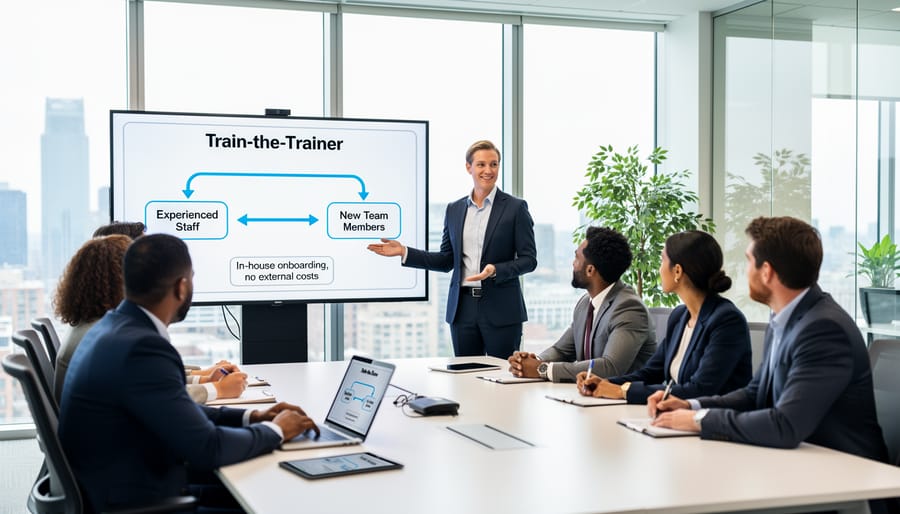
Small vape retail teams can achieve sustainable, low-cost training by designating internal champions to lead onboarding efforts. This train-the-trainer approach transforms your most knowledgeable employees into capable educators, eliminating ongoing external training expenses.
Start by identifying team members who demonstrate strong product knowledge, customer service skills, and patience. These individuals become your training ambassadors. Invest time initially to equip them with basic teaching techniques: breaking down complex information, demonstrating proper procedures, and providing constructive feedback. Effective team management ensures these champions feel valued and supported in their expanded role.
Create simple training materials they can use repeatedly—checklists for age verification procedures, product knowledge sheets, and customer interaction scripts. Document common scenarios and role-playing exercises they can facilitate with new hires.
One Vancouver vape shop owner reported saving over $3,000 annually by training two senior staff members to handle onboarding. Their internal trainers maintained consistency across all locations while adapting content based on real store experiences.
Consider offering modest incentives like small bonuses or recognition to motivate your training champions. This investment remains far more affordable than external consultants while building leadership capacity within your existing team and creating clear advancement pathways that improve retention.

Microlearning: 15-Minute Training Sessions That Stick
Transforming complex compliance regulations and product knowledge into digestible 15-minute sessions makes training manageable for small vape shop teams. This microlearning approach respects your staff’s time while dramatically improving information retention compared to lengthy, overwhelming sessions.
Consider how one Colorado vape retailer restructured their training program into focused daily sessions. Instead of a four-hour onboarding marathon, new employees received three 15-minute modules daily covering age verification, product basics, and customer interaction techniques. Staff retention of key compliance information jumped from 62% to 89% within the first month.
The beauty of microlearning lies in its flexibility. Schedule brief sessions during slower store hours, before opening, or between shifts. Focus each session on a single objective: proper ID checking procedures one day, nicotine strength explanations the next, troubleshooting common device issues after that.
For vape retailers operating on tight margins, this approach eliminates the need for extended paid training hours while delivering superior results. Employees stay engaged, retain critical information, and can immediately apply what they’ve learned. Plus, short sessions are easier to revisit when staff need refreshers, creating a sustainable training culture without the traditional resource drain.
Using Real Customer Interactions as Teaching Moments
Your most valuable training resource costs nothing: the customer interactions happening on your sales floor every day. Smart vape retailers capture these moments and transform them into powerful teaching tools.
Start with a simple daily debrief practice. Spend ten minutes at shift changes asking staff to share one challenging customer question or interesting conversation. These brief discussions help team members learn from each other’s experiences without formal classroom time.
A Colorado vape shop owner implemented “scenario Fridays,” dedicating fifteen minutes each week to discussing real situations that occurred during the week. When a customer asked about nicotine strength transitions, the entire team learned the best response approach. This practice reduced repeat questions and built collective knowledge across all shifts.
Document particularly effective customer interactions in a shared notebook or group chat. One employee’s successful explanation of device maintenance becomes a script others can adapt. Another’s tactful handling of an ID verification issue becomes your protocol.
Create quick role-playing exercises based on actual scenarios. After a staff member navigates a difficult return request well, ask them to recreate the interaction with a colleague. This costs nothing but generates practical skills that directly translate to better customer experiences and increased sales confidence.
Measuring Training Success Without Expensive Tools
Simple Metrics That Matter
Tracking the right metrics transforms your training investment from a cost center into a strategic advantage. Focus on four key indicators that directly reflect training effectiveness without requiring expensive analytics software.
Start with compliance audit results. Whether conducted internally or by regulatory agencies, these scores demonstrate your team’s understanding of age verification, product handling, and local regulations. A well-trained staff should achieve compliance rates above 95%, protecting your business from costly fines and potential closure.
Customer satisfaction scores offer immediate feedback on service quality. Simple post-purchase surveys or online reviews reveal whether employees are applying product knowledge and customer service skills learned during training. Monitor trends monthly rather than fixating on individual scores.
Product return rates signal whether staff are matching customers with appropriate products. High returns often indicate rushed sales or inadequate product knowledge. Effective training typically reduces returns by 20-30% within the first quarter.
Average transaction values measure upselling and cross-selling success. When employees confidently recommend complementary products based on customer needs, basket sizes naturally increase. Track this metric per employee to identify top performers and coaching opportunities. Together, these four indicators provide a comprehensive view of training ROI without overwhelming your existing systems.
Quick Assessment Techniques
You don’t need expensive assessment platforms to verify your team’s knowledge. Simple, practical techniques deliver reliable results while keeping costs near zero. Start with five-minute informal quizzes during shift changes, asking staff to identify compliant age verification steps or product knowledge basics. These brief check-ins reveal knowledge gaps immediately.
Role-playing scenarios offer powerful validation without technology investments. Have employees practice handling common situations: refusing sales to underage customers, explaining nicotine strengths to beginners, or managing product complaints. Observe their responses and provide immediate feedback. One vapor retailer reduced compliance violations by 40% simply by incorporating weekly role-plays into team meetings.
Create straightforward observation checklists covering essential behaviors like proper ID checking, product handling, and customer engagement. Managers can complete these during regular floor supervision, turning everyday interactions into training assessments. This approach worked exceptionally well for a regional chain that reduced training costs by 60% while improving customer satisfaction scores. These methods prove that effective assessment requires commitment and consistency, not complex systems or significant financial investment.
Case Study: How One Vape Retailer Transformed Their Team for Under $500
When Mike Chen opened VapeWorks in suburban Portland, he faced a common dilemma. With three employees and razor-thin margins, professional training seemed financially out of reach. Yet his team was struggling with basic product knowledge, and customer complaints were mounting.
Mike’s transformation began with honest assessment. He spent one afternoon documenting what his team actually needed to know versus what would be nice to have. This clarity helped him focus his limited resources where they mattered most.
His first investment was $150 for a one-year subscription to an online vaping compliance course that covered age verification, local regulations, and safety protocols. Each team member completed the modules during slower afternoon shifts over two weeks. This single step immediately reduced his anxiety about regulatory violations and gave his staff confidence in handling ID checks properly.
Next, Mike tackled product knowledge without spending a dime. He contacted three major suppliers and requested their free training materials and webinars. Two responded enthusiastically, providing comprehensive guides on their product lines. He scheduled bi-weekly 30-minute team huddles before opening where they’d review one product category together, taste-testing when appropriate and discussing customer questions they’d encountered.
The remaining $200 went toward creating a simple incentive system. Mike printed laminated reference cards with key information about top-selling products and common customer scenarios. Team members who demonstrated mastery earned small bonuses, turning learning into a game rather than a chore.
Within three months, the results spoke clearly. Customer complaints dropped by 60 percent. Average transaction values increased by 23 percent as staff became comfortable making informed recommendations. Perhaps most tellingly, Mike’s mystery shopper scores improved from 62 percent to 91 percent.
The biggest challenge was consistency. Staff initially resisted dedicating time to training during busy periods. Mike solved this by protecting the pre-opening huddle time religiously and building learning into the daily routine rather than treating it as an extra task.
Mike’s experience proves that effective training doesn’t require elaborate programs or substantial budgets. It requires commitment, creativity, and focus on what truly moves the needle for your business and customers. His total investment of $350 transformed not just his team’s capabilities, but his shop’s reputation and bottom line.
Affordable vape retail staff training isn’t just achievable—it’s essential for building a sustainable, profitable business. Throughout this article, we’ve explored practical strategies that prove you don’t need a massive budget to create competent, confident team members who drive compliance, customer satisfaction, and revenue growth.
The success stories speak for themselves. Independent vape shop owners have transformed their operations through peer learning sessions, free online compliance courses, and simple on-the-job training protocols. These approaches require minimal financial investment but deliver substantial returns through reduced regulatory risk, improved customer retention, and increased average transaction values.
The path forward doesn’t require a complete training overhaul overnight. Start with one initiative this week—perhaps a 15-minute daily product knowledge session or enrolling your team in a free compliance module. Build momentum from there. Each small step compounds into meaningful change.
Remember that your people are your greatest asset. Every hour invested in their development strengthens your business foundation. Training isn’t an expense; it’s a strategic investment that protects your license to operate, differentiates you from competitors, and creates the exceptional customer experiences that build loyal communities around your brand.
Don’t let budget constraints become an excuse for inaction. The resources exist, the frameworks work, and your team deserves the tools to succeed. Begin today with whatever you have available. Your future self—and your bottom line—will thank you for making this commitment to excellence through affordable, effective training.