Business consulting for responsible online-casino play helps organizations protect employees from gambling-related productivity loss, financial distress, and legal exposure by embedding prevention protocols, risk assessments, and support pathways into existing HR and wellness frameworks. The service targets companies in sectors where employees have high-stress roles, access to discretionary income, or frequent travel, though any organization with a duty of care can claim measurable benefits from structured intervention.
The business case is straightforward. Problem gambling among employees costs U.S. employers an estimated $7 billion annually in lost productivity, absenteeism, and fraud, yet fewer than 15% of organizations have formal policies addressing it. Consulting engagements typically begin with a confidential workforce risk screening, followed by policy development, manager training, and integration with employee assistance programs. Implementation takes four to eight weeks depending on organizational size, and outcomes include reduced absenteeism, lower healthcare claims, and improved workplace morale.
This isn’t a fringe HR concern. A 2025 national study found that 22% of white-collar employees had engaged in online gambling during work hours in the previous month, and 6% met clinical criteria for at-risk behavior. Companies that proactively address the issue through consulting partnerships report higher retention rates and stronger psychological safety scores. The approach works because it normalizes help-seeking, removes stigma, and positions the organization as an ally rather than enforcer.
What Business Consulting for Responsible Online-Casino Play Is
Business consulting for responsible online-casino play is a specialized service that helps organizations address the growing intersection of workplace wellness and digital gambling behaviors. These consultants work with HR departments and leadership teams to build comprehensive frameworks that recognize online gambling as a behavioral health concern, similar to how companies approach alcohol use or financial stress, while respecting employee privacy and promoting supportive rather than punitive workplace cultures.
The consulting engagement typically begins with a workplace risk assessment. Consultants analyze your organization’s specific vulnerabilities, which might include high-stress roles, financial literacy gaps among employees, or industries with elevated gambling exposure. They examine existing wellness infrastructure to identify integration points rather than creating isolated programs that employees ignore.
Policy development forms the core deliverable. Consultants draft clear, legally sound policies that define acceptable workplace conduct regarding gambling activities during work hours, outline how the organization will respond to gambling-related performance issues, and establish confidential pathways for employees to seek help. These policies avoid overreach into employees’ personal lives while addressing legitimate business concerns like productivity loss or financial distress affecting job performance.
Employee education represents another major component. Consultants design training modules tailored to your workforce demographics and risk factors. A financial services firm might receive content focused on how gambling losses compound debt stress, while a tech company could get training emphasizing the addictive design patterns in gambling apps. Training typically covers risk recognition, setting personal limits, and accessing confidential resources, delivered through formats that match your existing learning systems.
Wellness integration ensures responsible gambling support doesn’t exist in a silo. Consultants help you connect these initiatives to employee assistance programs, financial wellness resources, and mental health services. They train HR staff and managers to recognize warning signs without violating privacy, and they establish referral protocols that mirror your approach to other behavioral health concerns. The goal is a seamless support ecosystem where employees can access help without stigma or career consequences, while the organization fulfills its duty of care and protects workforce stability.
Why Organizations Need This Consulting Service

Online gambling has become increasingly accessible through mobile devices and remote work environments, creating new risks for organizations that go far beyond personal employee choices. When gambling-related issues enter the workplace, they affect productivity, team dynamics, and organizational liability in ways HR leaders can no longer ignore.
Productivity losses represent the most immediate business impact. Employees struggling with gambling problems often display reduced concentration, missed deadlines, and increased absenteeism. Consider the marketing manager who repeatedly checks betting apps during meetings, the accountant whose error rate spikes due to sleep deprivation from late-night casino sessions, or the team lead who takes extended breaks to place bets. These scenarios translate directly to reduced output and compromised work quality.
The mental health dimension extends beyond the individual. Problem gambling correlates strongly with anxiety, depression, and stress-related conditions that strain employee assistance programs and healthcare benefits. Organizations already investing in mental health support find gambling issues complicating treatment plans and recovery outcomes. The stigma surrounding gambling problems often prevents employees from seeking help early, allowing minor concerns to escalate into crises that require extended leave or intensive intervention.
Financial wellness programs face particular challenges when gambling enters the equation. An employee accumulating gambling debt undermines retirement contributions, emergency savings, and overall financial stability despite attending every financial literacy workshop. The stress from gambling-related financial pressure affects focus, increases workplace conflicts, and in severe cases leads to theft, embezzlement, or fraud as employees desperately seek funds.
Legal and compliance risks emerge when workplace gambling occurs on company time or devices, when compromised financial judgment affects fiduciary responsibilities, or when employee gambling problems create liability exposure. Organizations in finance, healthcare, and regulated industries face heightened scrutiny around employee conduct and judgment.
These interconnected risks demand specialized consulting expertise to develop effective prevention, intervention, and support frameworks tailored to organizational realities.
Eligibility Requirements for Organizations

Any organization concerned about employee wellbeing and workplace productivity can benefit from responsible gambling consulting services, there are no strict gatekeeping criteria. The real question isn’t whether your organization qualifies, but whether you’re ready to meaningfully engage with the work.
Most consulting firms focus on organizational readiness rather than rigid eligibility requirements. A mid-sized technology company worried about remote employees gambling during work hours has just as much right to this support as a casino operator managing internal policies. The consulting engagement becomes more effective, however, when certain foundational elements exist.
Organizations typically find the greatest value from these services when they demonstrate several readiness indicators:
- Leadership commitment to addressing gambling-related workplace risks as part of broader wellness strategy
- Existing employee assistance program or wellness infrastructure that can integrate new gambling-specific resources
- HR capacity to implement policy changes and coordinate training initiatives
- Willingness to allocate budget for consulting fees, training materials, and ongoing program support
- Organizational culture that values mental health support and treats addiction concerns with confidentiality and compassion
- Clear business rationale tied to productivity, retention, or risk management concerns
Company size matters less than commitment level. A 50-person startup with engaged leadership can implement a targeted program more successfully than a 5,000-employee corporation where HR treats this as a checkbox exercise. That said, larger organizations often have more resources to dedicate to comprehensive program development and ongoing measurement.
Industries with particular exposure, hospitality, gaming, finance, technology, frequently seek these services, but any sector experiencing gambling-related employee concerns warrants attention. Construction firms have engaged consultants after noticing workers gambling on mobile devices during breaks; healthcare organizations have addressed the issue following incidents involving professionals with gambling addictions.
The consulting relationship works best when organizations approach it as a long-term wellness investment rather than a one-time compliance fix.
How to Implement a Responsible Gaming Consulting Program
Initial Assessment and Scoping
The initial assessment establishes whether your organization needs dedicated responsible gambling consulting and what form that engagement should take. Begin by gathering baseline data: survey HR records for any gambling-related incidents or concerns raised in the past two years, review existing wellness program participation rates, and examine current policies to identify gaps in coverage around financial wellness or behavioral risk.
Next, assess organizational readiness by evaluating three factors: leadership commitment to expanding wellness offerings, budget availability within your training or HR development allocation, and capacity to implement new initiatives without overwhelming existing staff. Organizations with established employee assistance programs typically find easier integration points than those building wellness infrastructure from scratch.
When you contact potential consultants, ask these scoping questions: What assessment tools do they use to measure gambling risk prevalence in workplace populations? How do they customize interventions for different organizational cultures and industries? Can they provide anonymized case studies from similar-sized organizations? What ongoing support do they include versus charge separately? How do they measure program effectiveness beyond attendance metrics?
Document answers alongside your internal findings to create a clear scope statement. Define specific deliverables you expect, policy templates, training modules, resource guides, and establish realistic timelines. Most initial assessments require four to six weeks to complete thoroughly, providing the foundation for meaningful consultant selection and program design.
Program Design and Customization
Once assessment findings are in hand, consultants work directly with your team to build program components that reflect your organization’s specific culture, workforce demographics, and risk profile. This phase transforms generic responsible gambling principles into actionable resources your employees will actually use.
Training modules typically come first. Consultants develop content ranging from basic awareness sessions for all staff to specialized workshops for managers who may spot warning signs. Effective modules avoid lecture-heavy formats, expect interactive scenarios, self-assessment tools, and real workplace situations that employees recognize. A consulting firm might create a 20-minute online module for your entire workforce alongside a 90-minute facilitated discussion for leadership teams, calibrated to your industry’s vocabulary and norms.
Policy frameworks form the second pillar. Consultants draft clear guidelines addressing online gambling during work hours, company device usage, and how gambling-related performance issues connect to existing disciplinary procedures. The best policies balance protection with respect, they acknowledge gambling as a health concern while maintaining productivity standards. Your consultant should present multiple policy options, explaining trade-offs between restrictive and supportive approaches so you can choose what fits your organizational values.
Support resource integration rounds out customization. This means embedding helpline information, self-exclusion guidance, and confidential counseling access into your existing wellness platforms, whether that’s your intranet, EAP portal, or benefits hub. Consultants ensure these resources appear where employees naturally look, not buried in policy manuals nobody reads.
Implementation and Training Rollout
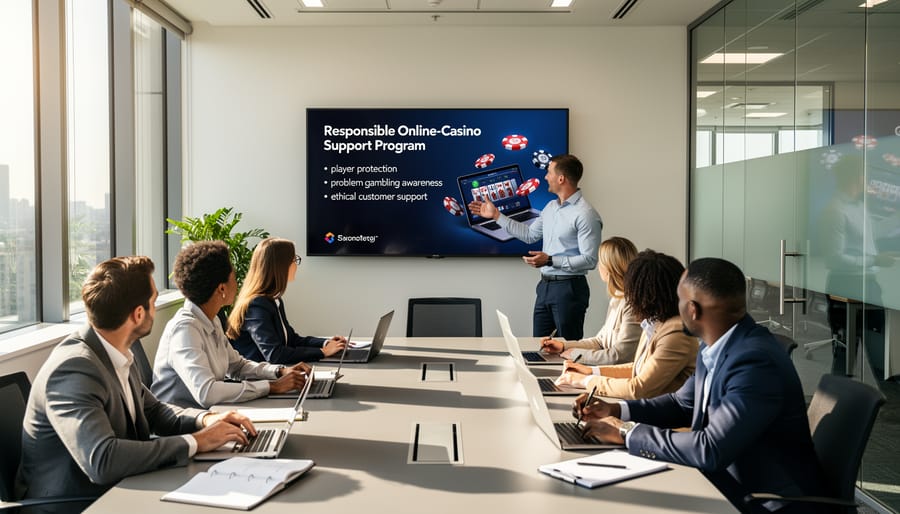
Successful implementation begins with securing leadership buy-in through executive briefings that outline program goals, expected outcomes, and resource requirements. Launch with a phased awareness campaign: start with an all-staff email from senior leadership explaining the initiative’s purpose, followed by posters in common areas, intranet announcements, and inclusion in team meetings.
Deliver staff training in accessible formats, live workshops for managers who may need to recognize warning signs, online modules for general employees covering risk awareness and available resources, and specialized sessions for HR staff handling confidential concerns. Schedule training during work hours to maximize participation and signal organizational commitment.
Integrate resources into existing systems by adding responsible gambling materials to your employee assistance program portal, incorporating policy language into employee handbooks, and training HR personnel on referral protocols. Ensure managers know how to direct employees to support without overstepping privacy boundaries. Make all materials available in multiple formats, digital, print, and mobile-friendly, and send calendar reminders about available resources quarterly to maintain visibility without creating surveillance anxiety.
Monitoring and Continuous Improvement
Track three core metrics monthly: employee engagement with educational resources, utilization rates of confidential support channels, and self-reported changes in gambling behaviors through anonymous wellness surveys. Your consultant should establish dashboard reporting that integrates with existing HR analytics systems, making it easy to spot trends without creating separate tracking burdens.
Schedule quarterly review sessions with your consulting partner to assess what’s working and what needs adjustment. These check-ins should examine participation data, gather feedback from managers who’ve referred employees to support resources, and identify emerging risk patterns. Use this intelligence to refine messaging, update training content, and expand resources where gaps appear.
Build feedback loops into your HR reporting structure so employees can anonymously suggest improvements to the program. The best initiatives evolve based on what employees actually need, not what leadership assumes they want.
Organizational Rights and Employee Obligations
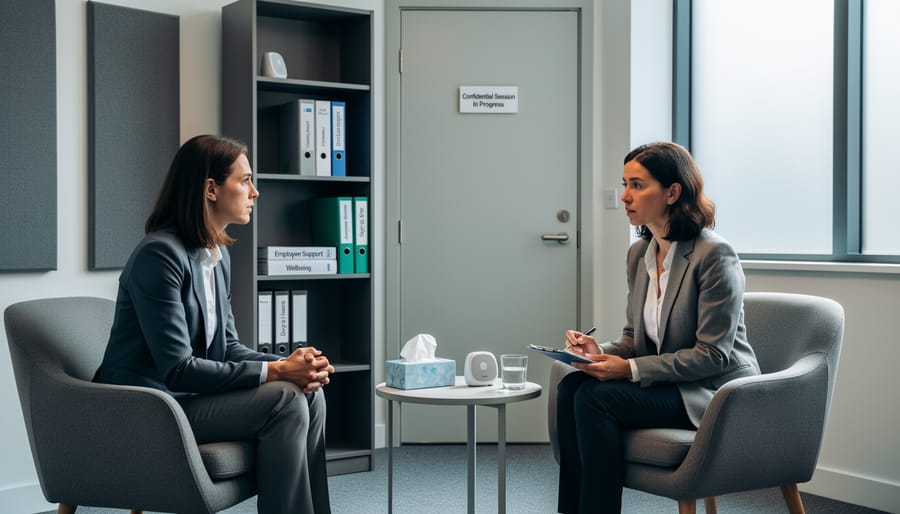
Organizations implementing responsible gambling initiatives must balance duty of care with privacy rights. Understanding the boundaries between legitimate organizational oversight and employee protections prevents legal exposure while fostering trust.
Your organization has the right to establish clear policies prohibiting gambling activities during work hours and on company devices. You can include gambling-related conduct standards in employee handbooks and enforce consequences for policy violations that impact job performance. However, you cannot monitor employees’ personal gambling activities outside work hours or on personal devices without consent, even if you’re concerned about potential problems.
The duty of care requires providing access to support resources without forcing disclosure. This means maintaining confidential referral pathways to employee assistance programs, posting information about problem gambling helplines, and training managers to recognize signs of distress without interrogating employees about gambling specifically. Effective people management in this context means creating psychological safety around seeking help while maintaining professional boundaries.
| Organizational Rights & Responsibilities | Employee Rights & Obligations |
|---|---|
| Establish policies prohibiting gambling during work hours and on company resources | Comply with workplace conduct policies; keep personal gambling activities separate from work |
| Provide confidential access to EAP and gambling support resources | Access support resources without fear of disclosure or job consequences |
| Address performance issues caused by any factor, including gambling | Maintain job performance standards regardless of personal circumstances |
| Train managers to recognize distress signals and make appropriate referrals | Expect privacy regarding personal activities unless they directly affect workplace conduct |
The critical distinction is between addressing workplace performance and intruding into personal life. If an employee’s gambling causes attendance problems or financial stress affecting concentration, you can address the performance issue directly while offering support resources. You cannot, however, mandate participation in gambling counseling or require disclosure of gambling habits as a condition of employment unless the role involves fiduciary responsibilities or security clearances where financial stability is a legitimate job requirement.
Where to Get Help and Support Resources
Organizations seeking consulting support for responsible gambling workplace programs have several avenues to explore. The key is finding qualified professionals who understand both workplace wellness frameworks and gambling risk mitigation.
Start with established employee assistance program (EAP) providers, many of whom have expanded services to include gambling-related support. Major EAP networks like ComPsych, Magellan Health, and BHS (Behavioral Health Systems) now offer specialized consulting on integrating responsible gambling components into existing wellness programs. These providers bring the advantage of understanding workplace confidentiality requirements and HR compliance frameworks.
Professional associations offer directories of qualified consultants:
- National Council on Problem Gambling (NCPG) maintains a national directory of certified gambling counselors and consultants who work with organizations
- Society for Human Resource Management (SHRM) includes wellness consultants with gambling risk management expertise in their consultant network
- International Employee Assistance Professionals Association (EAPA) lists members specializing in behavioral health and financial wellness
- Association for Talent Development (ATD) connects organizations with trainers and consultants who deliver responsible gambling awareness programs
- State-level problem gambling councils provide regional consultant referrals and often offer free initial consultations to employers
Government resources include the Substance Abuse and Mental Health Services Administration (SAMHSA), which funds state programs that consult with employers on behavioral health initiatives including gambling concerns.
When evaluating potential consultants, verify their credentials in both organizational development and problem gambling expertise. Look for certifications like Certified Employee Assistance Professional (CEAP), International Gambling Counselor Certification (IGCCB), or workplace wellness credentials. Request case studies from similar-sized organizations and ask about their approach to maintaining employee privacy while delivering measurable program outcomes. The right consultant should demonstrate familiarity with your industry’s specific challenges and offer customizable solutions rather than one-size-fits-all packages.
How to Apply or Complete the Process
Starting a responsible gambling consulting engagement doesn’t follow a formal application process like regulatory compliance programs. Instead, organizations initiate the relationship through a straightforward procurement and project kickoff sequence.
Begin by issuing a request for proposal to qualified consulting firms, specifying your organization’s size, industry, and preliminary scope. Review proposals based on consultant credentials, methodology, and cultural fit with your workplace values. Once you’ve selected a provider, execute a standard professional services agreement that outlines deliverables, timelines, confidentiality provisions, and payment terms.
The onboarding phase typically requires designating an internal project sponsor, usually an HR director or wellness program manager, who coordinates with the consulting team. You’ll need to provide the consultant access to existing policies, employee demographics, and wellness program documentation. Schedule an initial discovery meeting where consultants interview key stakeholders and review your current approach to financial wellness and mental health support.
Most engagements follow a phased structure: assessment and design (4-6 weeks), implementation support (8-12 weeks), and ongoing optimization. Throughout these phases, track progress through regular status meetings and measure outcomes using established metrics for training effectiveness and employee engagement with wellness resources.
Common Questions About Responsible Gambling Consulting
What does responsible gambling consulting typically cost?
Pricing varies by scope and organization size, but most consulting engagements range from $5,000 for initial assessments and policy development to $25,000+ for comprehensive programs with training delivery and ongoing support. Many consultants offer tiered packages to match different budgets and organizational needs.
How do we protect employee confidentiality when implementing these programs?
Reputable consultants design programs with strict confidentiality protocols, treating gambling concerns like any other health issue covered under privacy laws. Training materials focus on general awareness and voluntary self-referral to confidential EAP resources rather than identifying or monitoring individual employees.
Can this integrate with our existing wellness programs and EAP?
Yes, responsible gambling consulting is designed to complement rather than replace current offerings. Consultants typically work within your existing wellness framework, adding gambling-specific resources to mental health and financial wellness programs your organization already provides.
How will employees respond to gambling-related workplace initiatives?
When positioned as supportive rather than punitive, these programs receive positive reception. Employees appreciate organizations that acknowledge real-world challenges and provide confidential help without judgment, similar to how substance abuse and financial stress programs are viewed.
Beyond these common questions, HR leaders often wonder about timing and organizational readiness. There’s no perfect moment to start, but organizations experiencing productivity concerns, increased financial stress among employees, or operating in industries with higher gambling exposure may benefit from earlier intervention. Starting with a modest assessment rather than waiting for a crisis allows you to build support systems proactively.
The effectiveness question matters most to decision-makers seeking ROI justification. While gambling-specific workplace programs are relatively new compared to traditional wellness initiatives, early adopters report measurable improvements in employee engagement scores and reduced absenteeism when responsible gambling resources are made available alongside comprehensive mental health support. The key is viewing this as one component of holistic employee wellbeing rather than expecting it to solve broader organizational challenges independently.
Real-World Success: Organizations Making It Work
A multinational technology firm with 12,000 employees launched a responsible gambling consulting program in 2025 after HR noticed a pattern of salary advance requests and distress calls to their EAP. Working with a specialized consulting firm, they developed a three-tier approach: mandatory manager training on recognizing signs of gambling-related distress, optional employee education workshops, and confidential self-assessment tools integrated into their wellness portal. Within nine months, EAP utilization for financial stress increased by 34% (indicating employees felt safer seeking help), while salary advance requests declined by 22%. The consulting engagement cost approximately $85,000 but generated estimated productivity savings of $340,000 based on reduced absenteeism and presenteeism among the 47 employees who accessed support.
A regional healthcare network with 3,400 staff took a different approach, embedding responsible gambling content into their existing financial wellness curriculum rather than treating it as a standalone initiative. Their consulting partner helped redesign quarterly financial health seminars to include a 15-minute segment on gambling risk awareness, using interactive scenarios relevant to healthcare workers. Post-training surveys showed 89% of participants found the content valuable, and 12% privately disclosed current or past gambling concerns they had never mentioned before. The integration model cost just $28,000 and avoided the stigma some employees associated with dedicated gambling programs.
A manufacturing company with union workforce learned that timing matters. Their initial rollout during contract negotiations faced resistance from workers who feared surveillance. After pausing and reconvening with union leadership and their consultant, they reframed the program as a joint labor-management wellness investment and launched six months later with union co-facilitation. Participation rates jumped from 8% to 64%, demonstrating that implementation context shapes outcomes as much as program design.
Proactive business consulting for responsible online-casino play represents a forward-thinking addition to any comprehensive employee wellness strategy. As online gambling becomes increasingly accessible in 2026, organizations that address potential risks early demonstrate genuine commitment to employee wellbeing while protecting productivity and workplace culture.
The evidence is clear: organizations that implement structured responsible gambling programs see measurable improvements in employee financial wellness, reduced stress-related absences, and stronger overall mental health outcomes. These consulting services provide the expertise and frameworks needed to navigate this sensitive area with professionalism and care.
For HR leaders and organizational decision-makers, the first step is assessment. Review your current wellness offerings, consider the demographics and risk factors within your workforce, and evaluate whether existing employee assistance programs adequately address gambling-related concerns. Many organizations discover significant gaps once they look closely.
Engaging qualified consultants doesn’t require massive budgets or wholesale program overhauls. Start with a focused needs analysis, then build incrementally based on your findings. The investment in prevention and education pays dividends in employee trust, reduced risk exposure, and a healthier organizational culture that supports people through challenges rather than ignoring them.